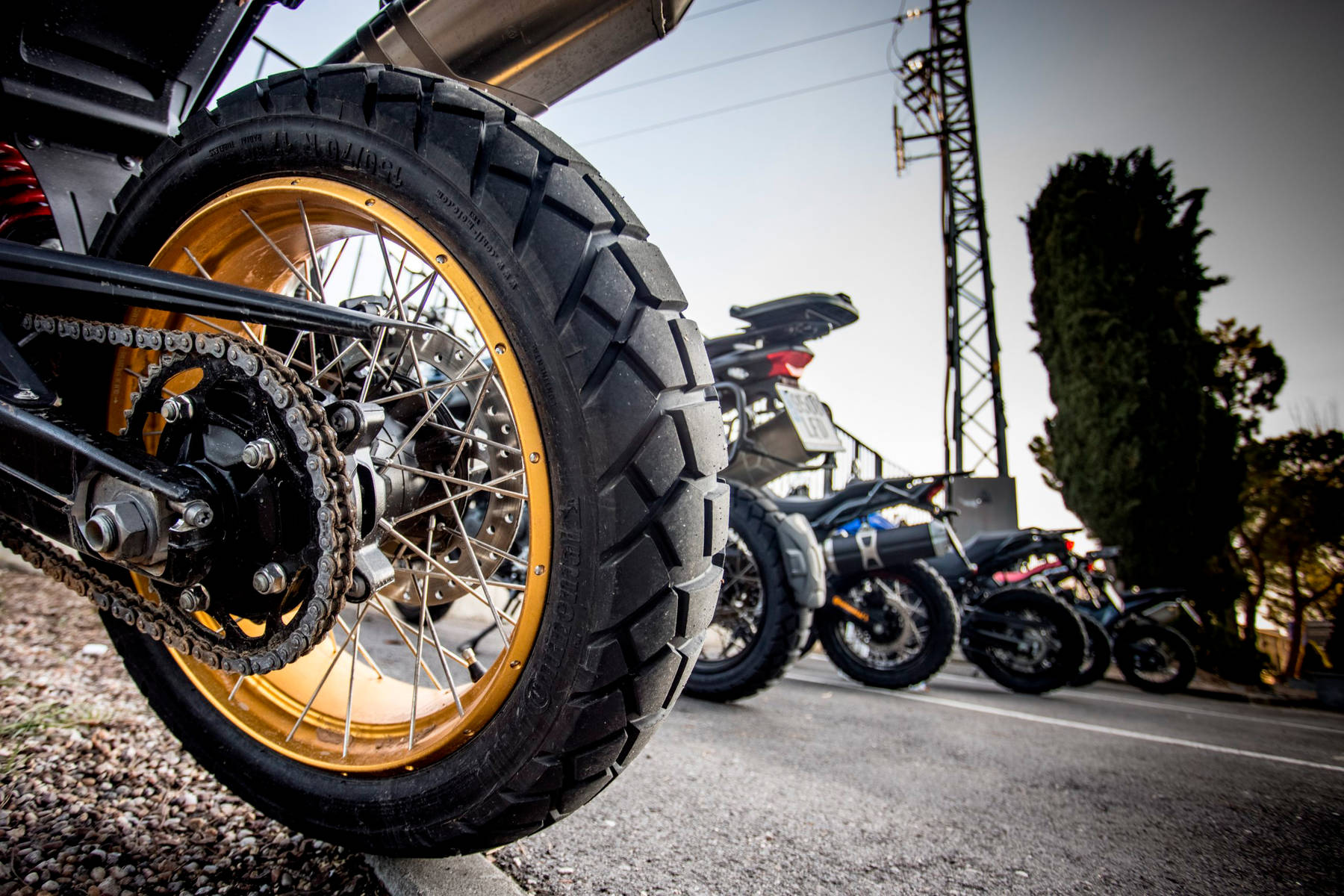
A Complete Tune-Up to Start the Season Safely—With Your Tires in Perfect Condition
As the weather warms up, the days get longer, temperatures rise, and your motorcycle starts calling again. If you parked it for the winter, now is the time to get back out there and enjoy every ride, every corner, every mile. But before you turn the key and head out, it’s worth taking a few minutes to make sure everything is in order.
A motorcycle that’s been sitting for a while may have developed small issues that aren’t immediately visible. From the battery to the brakes—and especially the tires—every component plays a role in getting back on the road safely. A thorough check not only helps prevent problems, it also makes those first rides far more enjoyable.
Related

A Quick Overall Check Before You Start
The first step is simple: take a look. Before even starting the bike, do a full visual inspection to spot any leaks, loose parts, or signs of wear. Time off the road can lead to minor issues that are easy to fix if caught early.
It’s also a good moment to check bolts and fasteners, look for accumulated dirt, and spot any damage caused by moisture or temperature changes. There’s no need to overcomplicate it—just a careful, unhurried inspection can reveal anything out of the ordinary.
Tires: The Key to Getting Back on the Road Safely

If there’s one component that deserves a thorough check, it’s your tires. They’re the only point of contact between your motorcycle and the road, and after a period of inactivity, it’s important to gradually restore their full performance. It’s not just about pressure—it’s also about how they behave from the very first miles.
1. Tire Pressure: The First Step to Getting It Right
It’s completely normal—over time, tires naturally lose pressure. And if the bike has been sitting in the same position for a while, low pressure may have caused extra stress on the tire’s structure.
- Tip: Always check tire pressure when cold and adjust it to the manufacturer’s recommended levels. Getting the pressure right is key for the tire to perform as intended, ensuring stability and even wear from the start.
2. Removing the Surface Layer
After a long period without use, it’s common for the tire surface to collect dirt or even develop a slightly “dry” outer layer. It may not seem like a big deal at first glance, but it can affect grip during the first few miles.
- Tip: There’s no need to use any products—actually, it’s better not to. The best “cleaner” is riding. During the first few miles, take it easy and let the road naturally remove that surface layer, restoring the tire’s full grip.
3. Bringing the Tire Back Up to Temperature Gradually
A tire that hasn’t been used for a while needs to get back to work and reach its optimal operating temperature progressively. That’s when it regains its elasticity and normal performance.
- Tip: Avoid aggressive riding right from the start. Smooth acceleration, braking, and lean angles help the tire warm up evenly and return to delivering the precision and confidence you expect.
4. Visual Inspection: Catch Issues Early
Before heading out, it’s worth taking a few seconds to check the overall condition. A quick look can help you avoid potential problems.
- Tip: Make sure there are no embedded objects, cracks, or signs of advanced wear. If the tread is close to the wear indicators or the tire shows signs of aging, it’s a good time to consider replacing it. In the end, few things feel as noticeable as riding on a fresh set of tires after a break.
Battery: The Most Common First Hurdle
After a long period of inactivity, the battery is often one of the most affected components. Cold temperatures and lack of use can gradually drain it, and in some cases, it may not have enough power to start the bike.
It’s best to check its condition before trying to start the engine. If it’s low, a recharge may be enough; if it won’t hold a charge, it’s probably time for a replacement. It’s a simple step, but an important one to avoid surprises when you’re ready to ride.
Fluids: Check, Top Off, and Replace if Needed
 Engine oil, brake fluid, and coolant are essential for proper operation. During winter, they can degrade or drop slightly in level.
Checking their condition is key. The oil should look clean and be within the correct range; brake fluid shouldn’t appear too dark; and coolant should be in good condition with no signs of deterioration.
If there’s any doubt, replacing these fluids is always a smart move to start the season with confidence.
Related

Brakes: Confidence From the First Stop
 The braking system deserves careful attention. Not so much because of wear—which doesn’t change during storage—but due to potential effects like dirt buildup or light surface rust on the discs.
Check pad thickness, disc condition, and lever feel. If the brake feels spongy or inconsistent, the system may need bleeding.
During the first few miles, it’s normal for braking performance to improve gradually, but it’s always best to ride gently until everything feels right.
Chain: Clean, Adjust, and Lubricate
The drivetrain also needs attention after a break. The chain may have collected dirt or dried out, which directly affects performance and longevity.
A proper cleaning followed by correct lubrication helps restore smooth operation. It’s also important to check chain tension and adjust it according to manufacturer specifications. A well-maintained chain improves the riding experience and prevents unnecessary wear.
Electrical System: Everything Should Work
Headlights, turn signals, brake light, horn—it may seem minor, but the electrical system is essential for both seeing and being seen.
Before heading out, make sure everything works properly. A burned-out bulb or faulty signal not only affects safety but can also lead to fines.
Time to Start… And Ride Again
 Once everything has been checked, it’s time to start the bike. Let it idle for a few minutes so the engine can warm up and oil can circulate properly. That first start is also a good opportunity to listen for any unusual noises or vibrations.
Then, a short, low-speed ride helps confirm that everything is working as it should—brakes, throttle, overall response. No rush, just getting back into the rhythm.
Because in the end, that’s what it’s all about: getting back on the road with confidence, riding safely, and knowing your bike is ready for every mile ahead. And with your tires in top condition, everything starts off on the right foot from the very first ride.
Related