


A Practical Guide to Understanding the Numbers and Letters on the Sidewalls of your Tires
Have you ever noticed the numbers and letters stamped on the side of your motorcycle tires? They’re always there in plain sight, but it’s not unusual to wonder what they really mean. Is it just the size, or is there more hidden in that code?
In fact, those markings reveal a lot more than you might think. They tell you the width and profile of the tire, the wheel diameter, the type of construction, the maximum load it can carry, and the speed rating for which it’s approved. In other words, they act like an ID card for your tire — and with a little practice, they’re surprisingly easy to read.
Tire size: More than Just a Number

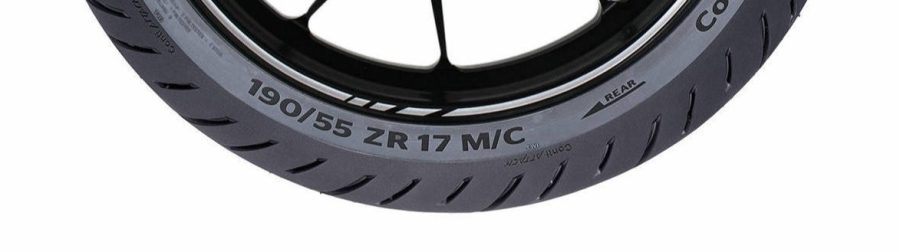
Although metric designations like the example above are the most common, you may also find inch-based markings, such as 3.00-19, which are still used on some bikes. There are even older alphanumeric marking systems like MT90B16, which you’ll occasionally see on classic American motorcycles such as Harley-Davidson or Indian models.
Let’s take the example 120/70ZR17. This number actually combines three measurements:
- 120 refers to the nominal width of the tire in millimeters. Keep in mind this isn’t exactly the same as what you see when looking at the tire from the front. The actual tread width can vary slightly depending on the manufacturer.
- 70 is the aspect ratio, expressed as a percentage of the width. In this case, the tire’s sidewall height is 70% of 120.
- 17 is the wheel diameter, expressed in inches. That means this tire is designed to fit a 17-inch wheel.
As you can see, the code tells you much more than just a “size” — it’s a compact way to describe several dimensions at once.
Related


Radial, Bias, or Something Else? Understanding Construction
You’ve probably noticed the letter R or ZR in the code as well, like in 120/70ZR17. That letters indicates the internal construction of the tire.
- R or ZR means the tire is radial.
- If there’s no letter, it often means the tire is bias-ply (diagonal construction).
On Continental motorcycle tires, you’ll often also find the letters M/C, which simply indicate that the tire is designed for motorcycles. If you see M+S (Mud + Snow), that means the tire has tread designed for better performance in mud or snow conditions.
Load Index and Speed Rating: The Real Limits of your Tires

- 62 is the load index, a code that corresponds to the maximum load the tire can safely carry. In this case, “62” means the tire can handle 584 pounds (265 kg). The actual index required will vary depending on the motorcycle model and whether it’s a front or rear tire
- L is the speed rating, which indicates the maximum speed the tire is approved for under that load. “L” corresponds to 75 mph.
Speed ratings are always expressed as letters, starting at the low end with “A” for very slow tires and going up alphabetically. In motorcycles, you’ll often see:
- M, N, or P for off-road tires (corresponding to 81, 87, or 93 mph).
- U or V for performance street tires (corresponding to 124 or 149 mph).
- The highest is Y, which corresponds to 186 mph.
This makes it easy to know not only if the tire fits your wheel, but also whether it matches the weight and performance of your bike.
Other Details Hiding on your Sidewall
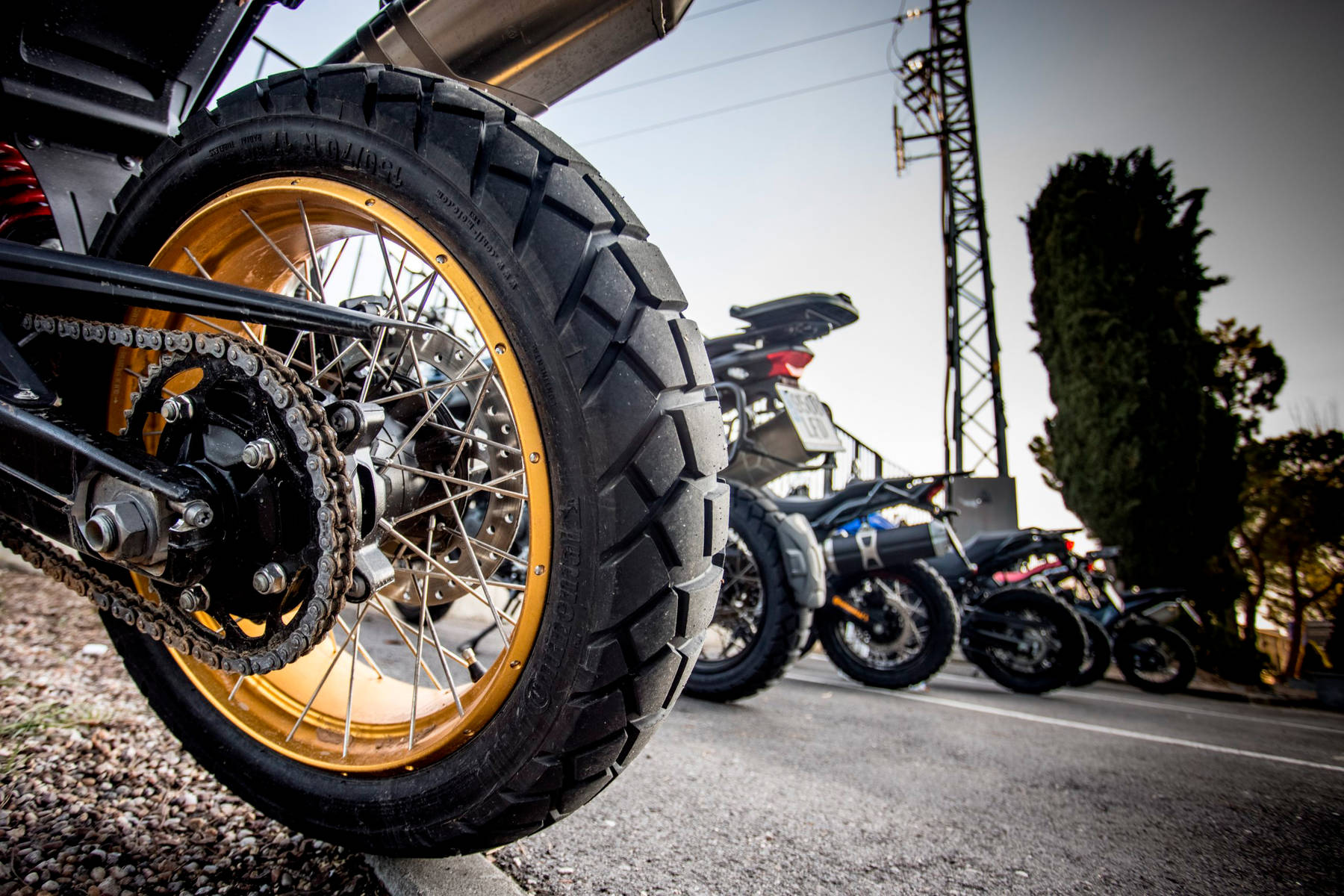
- Load capacity (listed in pounds as well as kilograms).
- Recommended tire pressure (in PSI and kPa).
- DOT code, which includes the tire’s approval and date of manufacture.
- Whether the tire is tubeless or requires an inner tube.
All these details work together to give you a full picture of what your tires are built for. So the next time you look at your bike, take a moment to read those sidewalls — you’ll see that your tires carry more information than you thought.
Related
