


Simple Habits That Make a Big Difference in Tire Wear
One of the most common concerns among riders is tire lifespan. When tires wear out sooner than expected, it’s not just a safety issue—it also hits your wallet. While tire wear is unavoidable (physics always wins), there are plenty of things you can do to slow it down.
At Continental, we constantly work on new compounds, technologies, and tire constructions designed to extend tire life. But beyond what happens in the lab, everyday use and a few simple rider habits play a major role. Here’s how you can get more miles out of your motorcycle tires without making things complicated or overly technical.
Tire Wear Is Unavoidable… but It Can Be Delayed
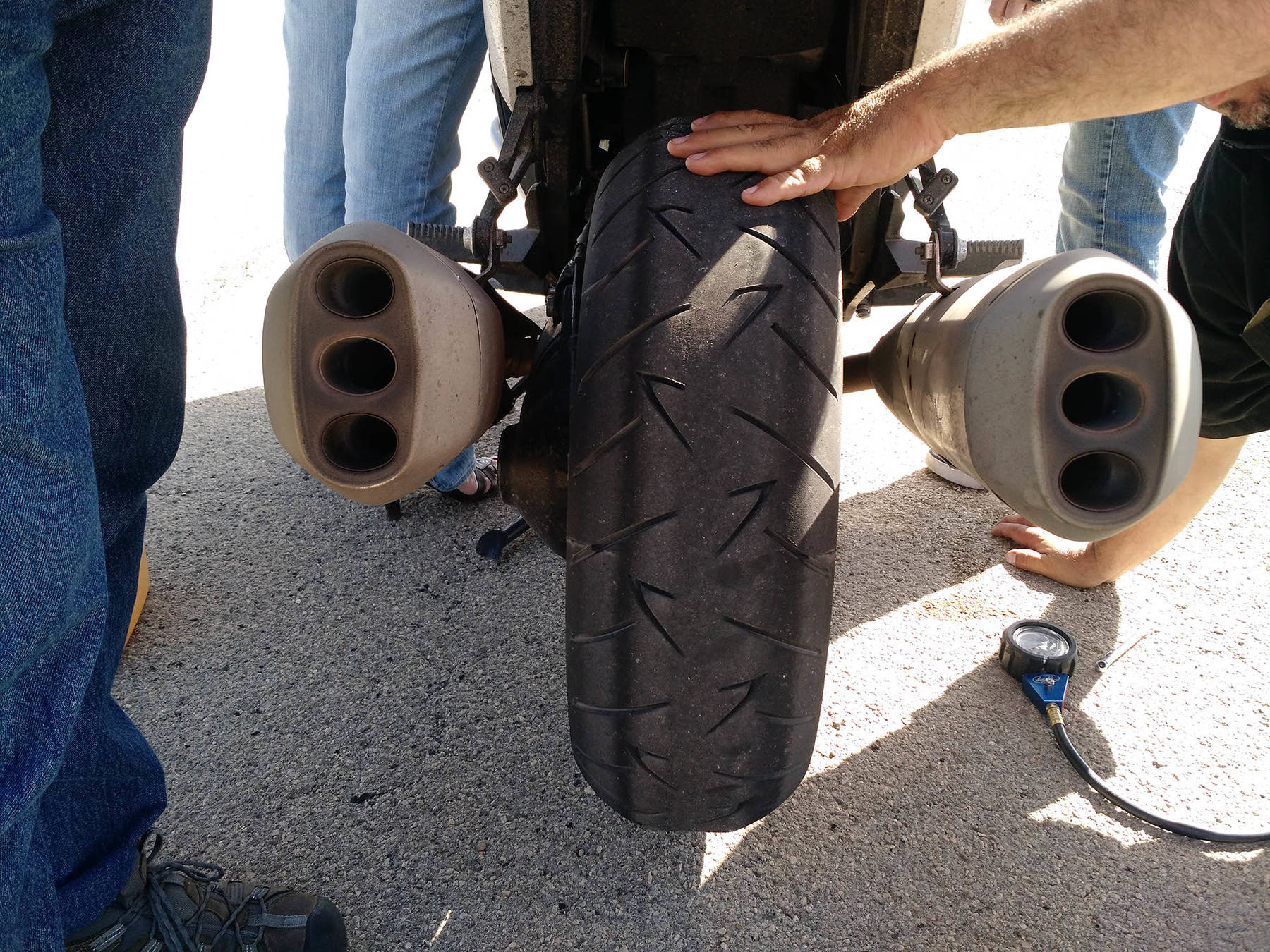
Technology has come a long way. For example, the use of silica in rubber compounds helps improve durability, and a lighter carcass reduces heat buildup—one of the main enemies of tire longevity. Still, how the tire is used day to day makes a big difference.
Related


Tire Pressure: The Most Important (and Most Overlooked) Factor

Checking tire pressure should be a regular habit—not something you only do when changing tires or during scheduled maintenance. Ideally, you should check it before a ride or at least on a regular basis.
Make sure you know the recommended pressure for your motorcycle, which can usually be found in the owner’s manual or on a sticker on the bike. Also keep in mind that pressure may need to be adjusted if you’re riding with a passenger, luggage, or extra load.
One crucial rule: always measure tire pressure when the tires are cold.
What Happens When Tire Pressure Is Too Low

- Premature wear in the transition area between the center and the sides of the tire.
- Increased lateral movement, causing instability when riding straight or through corners.
- Noticeable vibrations while riding.
This accelerated wear happens because the tire carcass overheats. Friction between the internal layers generates excessive heat, which damages the tire’s structure.
In extreme cases—such as riding on a slowly leaking tire while trying to reach a repair shop—this overheating can cause irreversible internal damage. That kind of situation can seriously compromise safety.
Related

Too Much Pressure Isn’t Good Either

When a tire is overinflated, the effects are easy to notice:
- Smaller contact patch and reduced grip.
- Increased wear in the center of the tire.
- Less resistance to impacts and punctures.
- A harsher, less comfortable ride.
- Poorer cornering feel and a tendency to slide.
In short: neither too low nor too high. Correct pressure is essential.
Practical Tips to Get Tire Pressure Right

- Use a reliable tire pressure gauge—a small, pocket-size one is ideal for your tool kit.
- Gas station air pumps are generally accurate, but having your own gauge allows you to double-check the exact pressure anytime.
- Pay attention to units of measurement: in the U.S., tire pressure is typically measured in PSI (pounds per square inch). Some gauges may also show bar, but PSI is the standard reference.
- Always adjust tire pressure before riding, never during or immediately after a ride.
As you ride, tires heat up and pressure naturally increases, which is why measuring pressure on warm tires can lead to misleading readings.
Small Habits That Add Up to More Miles
Extending the life of your motorcycle tires doesn’t require special tools or technical expertise. Regular pressure checks, following manufacturer recommendations, and understanding how your riding habits affect tire wear are more than enough to make a difference.
Well-maintained tires don’t just last longer—they also deliver better grip, more stability, and greater safety on every ride. And in the end, that’s what really matters when you’re out on the road.
Related
